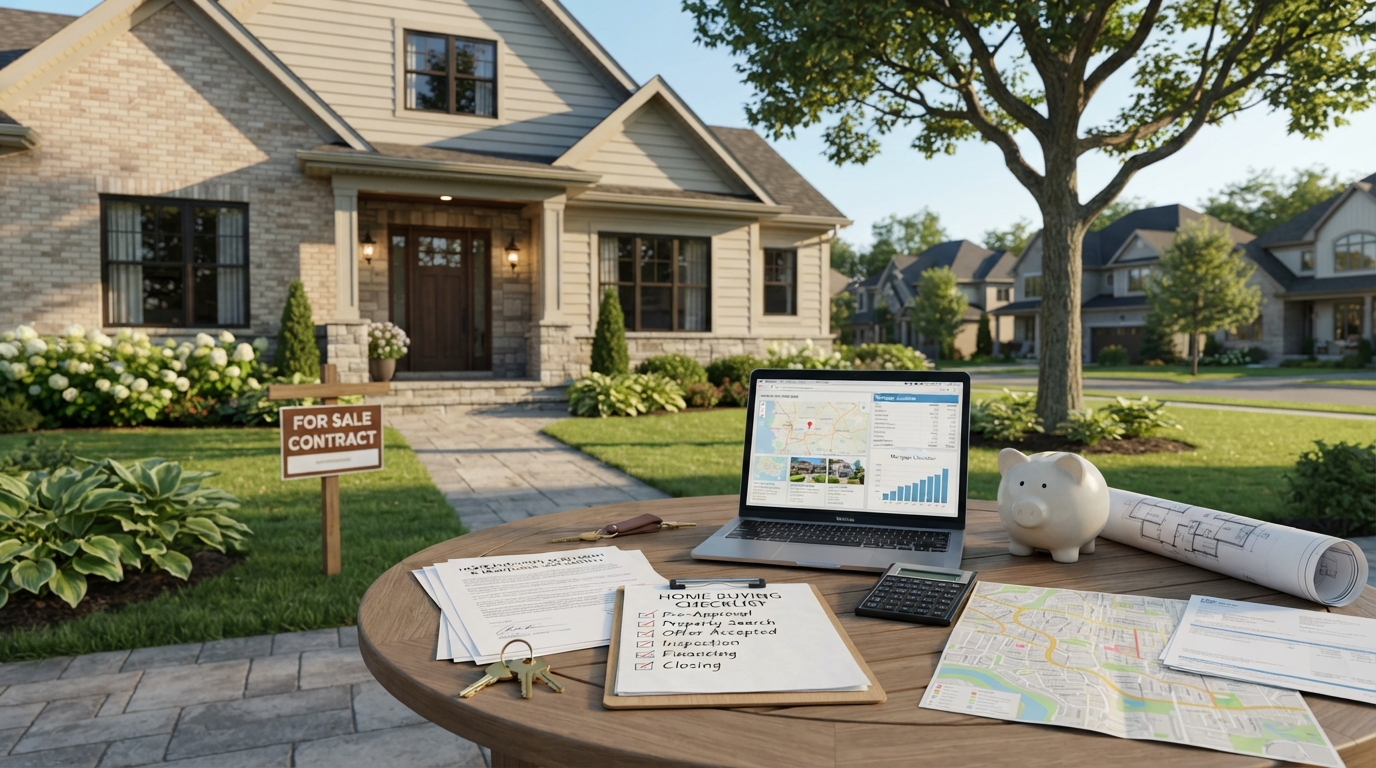
Buying your first home is an exciting milestone, but it can also feel overwhelming. Between understanding mortgages, saving for a down payment, comparing neighborhoods, and navigating legal paperwork, the home-buying process involves many important decisions. Without proper planning, first-time buyers can easily make costly mistakes that affect their finances for years to come.
The good news is that purchasing your first home does not have to be stressful. By learning the basics, preparing your finances, and following a structured approach, you can confidently navigate every stage of the process.
This comprehensive guide explains everything first-time home buyers need to know, from determining your budget to receiving the keys to your new home.
Why Buying a Home Is a Major Financial Decision
A home is more than just a place to live. For many people, it is one of the largest investments they will ever make. Homeownership can provide stability, build equity over time, and potentially increase your net worth as property values appreciate.
However, buying a home also comes with long-term financial responsibilities, including mortgage payments, property taxes, insurance, maintenance, and unexpected repairs. Understanding these costs before purchasing helps ensure you make a sound financial decision.
Determine Whether You Are Ready to Buy
Before beginning your home search, evaluate your financial and personal readiness.
Ask yourself the following questions:
- Do I have a stable income?
- Can I comfortably afford monthly mortgage payments?
- Have I saved enough for a down payment and closing costs?
- Do I plan to stay in this area for several years?
- Is my credit score in good condition?
If you answer “yes” to most of these questions, you may be ready to begin the home-buying journey.
Understand Your Budget
One of the biggest mistakes first-time buyers make is looking at homes before determining how much they can realistically afford.
Create a detailed monthly budget that includes:
- Mortgage payment
- Property taxes
- Homeowners insurance
- Utility bills
- Maintenance costs
- Internet and other services
- Emergency savings
- Daily living expenses
Remember that owning a home involves more than the monthly mortgage payment.
Save for a Down Payment
A down payment is the amount of money you pay upfront when purchasing a home.
While some mortgage programs allow lower down payments, contributing a larger amount offers several advantages:
- Lower monthly payments
- Better mortgage terms
- Reduced interest costs
- Greater home equity
- Lower loan balance
Start saving early by creating a dedicated home savings account and making regular contributions.
Build and Maintain a Strong Credit Score
Your credit score plays a major role in determining whether you qualify for a mortgage and what interest rate you receive.
To improve your credit score:
- Pay bills on time.
- Reduce outstanding debt.
- Avoid applying for unnecessary credit.
- Check your credit report for errors.
- Keep credit card balances low.
Even a small improvement in your credit score can save thousands over the life of a mortgage.
Learn About Mortgage Options
Choosing the right mortgage is one of the most important decisions you’ll make.
Some common mortgage types include:
Fixed-Rate Mortgage
A fixed-rate mortgage offers the same interest rate throughout the loan term, making monthly payments predictable.
Adjustable-Rate Mortgage (ARM)
An adjustable-rate mortgage typically starts with a lower interest rate that may change over time based on market conditions.
Government-Backed Loans
In some countries, government-supported loan programs help eligible buyers qualify for home financing with lower down payment requirements.
Compare loan terms, interest rates, and repayment conditions before making a decision.
Get Pre-Approved for a Mortgage
Mortgage pre-approval gives you an estimate of how much a lender is willing to lend based on your financial situation.
Benefits include:
- Knowing your price range
- Strengthening purchase offers
- Saving time during home shopping
- Demonstrating seriousness to sellers
Lenders generally review your income, debts, assets, employment history, and credit score during pre-approval.
Research the Housing Market
Understanding your local real estate market helps you make informed decisions.
Consider factors such as:
- Average home prices
- Property taxes
- Neighborhood safety
- School quality
- Future development
- Transportation access
- Employment opportunities
- Healthcare facilities
- Shopping and recreational amenities
Buying in a growing area may provide stronger long-term property value.
Decide What You Need in a Home
Create two lists before starting your search.
Must-Have Features
- Number of bedrooms
- Number of bathrooms
- Safe neighborhood
- Parking
- Kitchen size
- Internet availability
Nice-to-Have Features
- Swimming pool
- Large backyard
- Home office
- Finished basement
- Walk-in closets
- Smart home technology
Knowing your priorities prevents emotional purchasing decisions.
Work With a Real Estate Agent
A qualified real estate agent can simplify the buying process by helping you:
- Find suitable properties
- Schedule home viewings
- Negotiate purchase prices
- Understand contracts
- Complete paperwork
- Coordinate inspections
Choose an experienced agent who understands your local market and communicates clearly.
Begin House Hunting
Viewing multiple properties allows you to compare prices, layouts, neighborhoods, and overall value.
During each visit, inspect:
- Roof condition
- Foundation
- Plumbing
- Electrical systems
- Heating and cooling
- Windows
- Flooring
- Signs of water damage
- Storage space
Avoid making decisions based solely on attractive interior design or furniture.
Make a Competitive Offer
Once you find the right home, the next step is submitting an offer. Your real estate agent can help determine a fair offer based on the property’s condition, location, recent comparable sales, and current market conditions.
Your offer may include:
- Purchase price
- Earnest money deposit
- Proposed closing date
- Financing terms
- Inspection contingency
- Appraisal contingency
The seller may accept your offer, reject it, or make a counteroffer. Negotiation is a normal part of the home-buying process, so be prepared to compromise when necessary.
Schedule a Home Inspection
A professional home inspection is one of the most important steps in the buying process. Even if a home appears to be in excellent condition, hidden issues can be expensive to repair.
A home inspector typically evaluates:
- Foundation
- Roof
- Plumbing
- Electrical systems
- Heating and cooling systems
- Windows and doors
- Insulation
- Walls and ceilings
- Structural integrity
If major problems are discovered, you may negotiate repairs, request a price reduction, or withdraw your offer if your contract allows.
Understand the Home Appraisal
If you are financing your purchase with a mortgage, your lender will usually require a home appraisal.
An appraisal determines the property’s market value and ensures the lender is not financing more than the home is worth.
If the appraisal comes in lower than the purchase price, you may need to renegotiate with the seller or increase your down payment.
Prepare for Closing Costs
Many first-time buyers focus only on the down payment and forget about closing costs.
Closing costs may include:
- Loan origination fees
- Property appraisal fees
- Home inspection fees
- Title insurance
- Legal or attorney fees
- Government recording fees
- Property taxes
- Homeowners insurance
These expenses can add a significant amount to your overall home-buying budget, so plan for them in advance.
Purchase Homeowners Insurance
Homeowners insurance protects your property against unexpected events such as fire, storms, theft, and certain types of damage.
When comparing insurance policies, consider:
- Coverage limits
- Deductibles
- Replacement cost
- Liability protection
- Additional endorsements
Many mortgage lenders require proof of homeowners insurance before approving the loan.
Complete the Final Walk-Through
Before closing, conduct a final walk-through of the property.
During this visit, verify that:
- Agreed repairs have been completed.
- Appliances included in the sale remain in the home.
- Plumbing and electrical systems work properly.
- There is no new damage.
- The property is clean and ready for occupancy.
This is your last opportunity to identify issues before ownership transfers.
Closing on Your New Home
Closing is the final step in the home-buying process.
At closing, you will:
- Sign mortgage documents.
- Review the purchase agreement.
- Pay your down payment and closing costs.
- Receive ownership documents.
- Collect the keys to your new home.
Read every document carefully before signing and ask questions if anything is unclear.
Moving Into Your New Home
After closing, it’s time to prepare for your move.
Create a moving checklist that includes:
- Setting up electricity, water, gas, and internet services
- Changing your mailing address
- Updating your driver’s license and other records
- Purchasing essential household items
- Deep cleaning the home before moving in
- Testing smoke and carbon monoxide detectors
- Changing exterior door locks
Planning ahead will make your move much smoother.
Common Mistakes First-Time Home Buyers Should Avoid
Avoiding these common mistakes can save you time, money, and unnecessary stress.
Buying More House Than You Can Afford
Choose a home that fits comfortably within your budget rather than stretching your finances.
Skipping the Home Inspection
Forgoing an inspection to save money can lead to expensive repairs later.
Ignoring Additional Costs
Remember that homeownership includes maintenance, insurance, taxes, and utility bills in addition to the mortgage.
Making Large Purchases Before Closing
Avoid financing a new car, furniture, or expensive electronics before your mortgage closes, as this could affect your loan approval.
Not Comparing Mortgage Offers
Different lenders may offer different interest rates and fees. Comparing multiple offers can save thousands over the life of the loan.
Letting Emotions Drive Decisions
Buying a home is both an emotional and financial decision. Focus on value, condition, and long-term suitability rather than appearance alone.
Tips for First-Time Home Buyers
Follow these practical tips to make the process easier:
- Start saving as early as possible.
- Improve your credit score before applying for a mortgage.
- Stick to your predetermined budget.
- Research neighborhoods carefully.
- Compare multiple lenders.
- Never skip a professional inspection.
- Ask questions throughout the process.
- Plan for future maintenance costs.
- Keep an emergency savings fund after purchasing your home.
Frequently Asked Questions
How much money should I save before buying my first home?
In addition to your down payment, you should save enough to cover closing costs, moving expenses, and an emergency fund for unexpected repairs.
What credit score is needed to buy a home?
The required credit score varies depending on the lender and loan program. Generally, a higher credit score increases your chances of approval and helps you secure a lower interest rate.
How long does the home-buying process take?
The timeline varies, but from mortgage pre-approval to closing, the process often takes several weeks to a few months, depending on market conditions and financing.
Should I buy a new or existing home?
Both options have advantages. New homes often require fewer repairs and include modern features, while existing homes may offer larger lots, established neighborhoods, and lower purchase prices.
Conclusion
Buying your first home is a significant milestone that requires careful planning, financial preparation, and informed decision-making. From setting a realistic budget and improving your credit score to obtaining mortgage pre-approval, researching neighborhoods, and completing inspections, every step plays an important role in protecting your investment.
While the process may seem complex at first, taking the time to understand each stage will help you avoid common mistakes and make confident decisions. By staying within your budget, working with experienced professionals, and planning for the long-term costs of homeownership, you can enjoy the rewards of owning a home while building financial security for the future.
With patience, preparation, and the right knowledge, your first home purchase can become one of the most rewarding investments you ever make.